Semi Automatic Vs Super Automatic Espresso Machine
Quick Answer
Semi-automatic espresso machines give you hands-on control over your shots while automating the pressure. Super-automatics do everything at the push of a button. Pick semi-auto if you want to learn and tinker, super-auto if you want great coffee without the fuss.
BrewScore™ Ratings
Our proprietary score based on extraction quality, temperature stability, ease of use, build durability, and value-per-dollar.
Gaggia Classic Pro — 10/100 (Below Average)
██░░░░░░░░░░░░░░░░░░
Best for: Value and durability
Scores are calculated from publicly available specs including extraction quality, temperature stability, build durability, and value. Learn about our methodology.
Understanding Espresso Machines
What is a Semi-Automatic Espresso Machine?
You’re in charge of grinding, dosing, tamping, and timing your shots. The machine handles the water pressure through an electric pump, but you decide when to start and stop the extraction—how forgiving that feels depends a lot on whether your basket is pressurized or non-pressurized. Think of it as having a skilled assistant who only does what you tell them.
Key Features:
- Control: Dial in your grind size and extraction time however you want
- Learning Curve: Perfect if you actually want to become a home barista
- Price Tier: Mid-range
What is a Super-Automatic Espresso Machine?
Press a button, get espresso. These machines grind, dose, tamp, brew, and often froth milk without any input from you. They’re basically coffee robots, and honestly, some of them make better espresso than most cafés—we ranked the strongest super-automatic machines on the market if that’s the direction you’re leaning.
Key Features:
- Convenience: One button for espresso, another for cappuccino
- Integrated Grinder: Built-in burr grinders that actually work well
- Price Tier: Mid-range to premium
Comparing Semi-Automatic and Super-Automatic Machines
Pros and Cons
| Feature | Semi-Automatic | Super-Automatic |
|---|---|---|
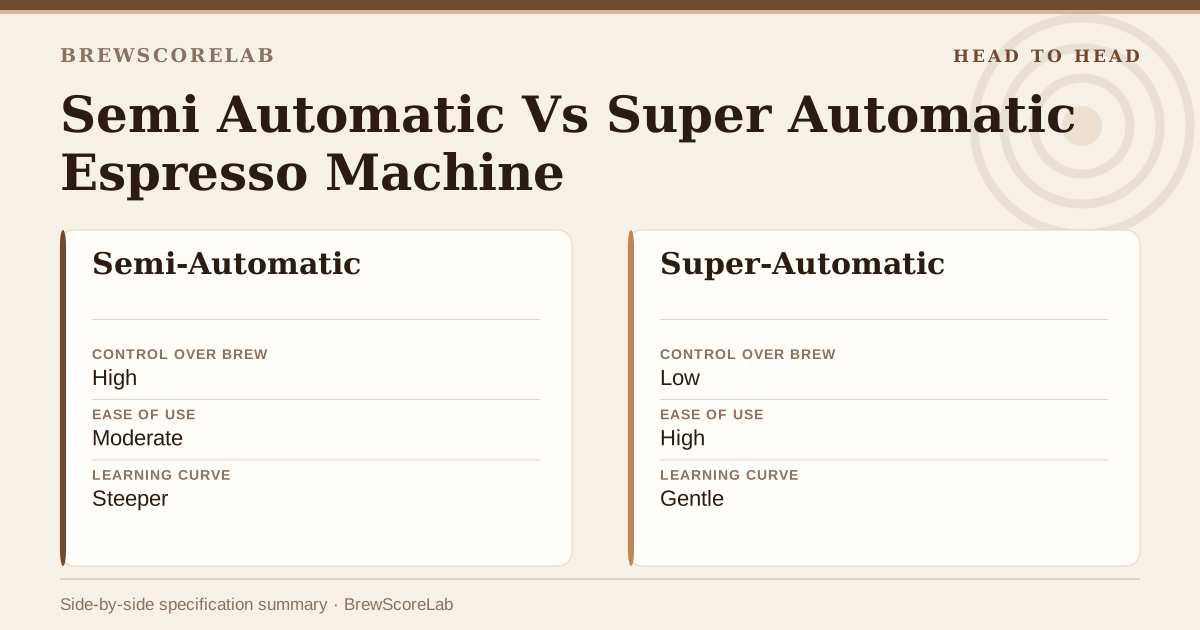
| Control Over Brew | High | Low |
| Ease of Use | Moderate | High |
| Learning Curve | Steeper | Gentle |
| Maintenance | Moderate | Low |
| Price Tier | Budget to premium | Mid-range to premium |
| Customization | High | Moderate |
Semi-Automatic: The Good and Bad
What I love about them:
- You can tweak everything until you get your perfect shot
- Way cheaper entry point than super-autos
- Actually teaches you how espresso works
The reality check:
- Takes 5-10 minutes per drink once you factor in grinding and cleanup
- You’ll pull some terrible shots while learning (I definitely did)
Super-Automatic: The Good and Bad
Why they’re tempting:
- Espresso in under 2 minutes, every time
- Consistent results without thinking
- Most handle milk drinks automatically
The downsides:
- Limited control over your brewing variables
- Expensive, especially the good ones
- When they break, repairs cost a fortune
Practical Tips for Choosing the Right Machine
Know Your Coffee Habits
Love experimenting with different beans and brewing methods? Get a semi-auto with a good manual steam wand. Dialing in the perfect shot takes hours, and it’s genuinely fun if you’re into that.
Just want excellent coffee every morning without thinking? Super-auto all the way. Look for models with adjustable strength and temperature settings.
Budget Reality Check
Here’s the truth: a mid-range Gaggia Classic Pro will make better espresso than most pricier super-autos, but only if you put in the work. For pure convenience, a super-auto has to reach the upper end of the range before results get consistently good, though the best super-automatics under $1,000 get closer than they used to.
Daily coffee drinkers should factor in the time savings—that extra 10 minutes per day adds up.
Counter Space Matters
Semi-autos are usually more compact, but you’ll need room for a separate grinder too. Super-autos are bigger but everything’s integrated. Measure your space before you fall in love with a machine.
Recommended Products
Semi-Automatic Espresso Machines
-
Breville BES870XL Barista Express
- Key Spec: Built-in conical burr grinder
- Price Tier: Budget
- Owner Feedback: Love the built-in grinder and how approachable it is for beginners, though cleaning the grinder is annoying.
-
- Key Spec: Commercial-style 58mm portafilter
- Price Tier: Budget
- Owner Feedback: Fantastic value and built like a tank, but you’ll need patience to master it.
Super-Automatic Espresso Machines
-
De’Longhi Dinamica ECAM35020
- Key Spec: Integrated burr grinder
- Price Tier: Mid-range
- Owner Feedback: Great variety of drinks and easy to use, but it’s surprisingly loud during grinding.
-
Jura E8
- Key Spec: Professional fine foam frother
- Price Tier: Premium
- Owner Feedback: Makes consistently excellent coffee with minimal effort, though that price tag stings.
FAQ
What is the main difference between semi-automatic and super-automatic espresso machines?
Semi-autos make you do the work (grinding, timing, milk steaming). Super-autos do everything automatically.
Are super-automatic machines worth the extra cost?
If your time is valuable and you drink coffee daily, absolutely. If you enjoy the process of making coffee, probably not.
Can I make specialty drinks with both types of machines?
Yes, but super-autos make it foolproof while semi-autos require actual technique for milk drinks.
How often should I clean my espresso machine?
Daily cleaning for both, plus weekly deep cleaning. Super-autos often have cleaning cycles that make this easier.
Can I adjust the grind size on both types of machines?
Semi-autos usually require a separate grinder you can adjust freely. Super-autos have adjustable built-in grinders, but with fewer settings.
Bottom Line
Pick semi-auto if you want to learn coffee craft and don’t mind the extra time. Go super-auto if you want consistently good espresso without thinking about it.
Honestly, both can make excellent coffee—the question is whether you want to be involved in the process or just enjoy the results. And if you’d rather dip a toe in at the bottom of the market first, we looked at whether a $200 espresso machine is actually worth buying.