Cafelat Robot Review
Cafelat Robot Review: The Ultimate Espresso Experience
Quick Answer
The Cafelat Robot takes the crown for espresso lovers who want to get their hands dirty with manual brewing, and it sits at the top of our ranking of lever espresso machines for that reason. This compact beast delivers café-quality shots with total control over every variable. Just know what you’re getting into – it’s not plug-and-play.
Our Top Picks
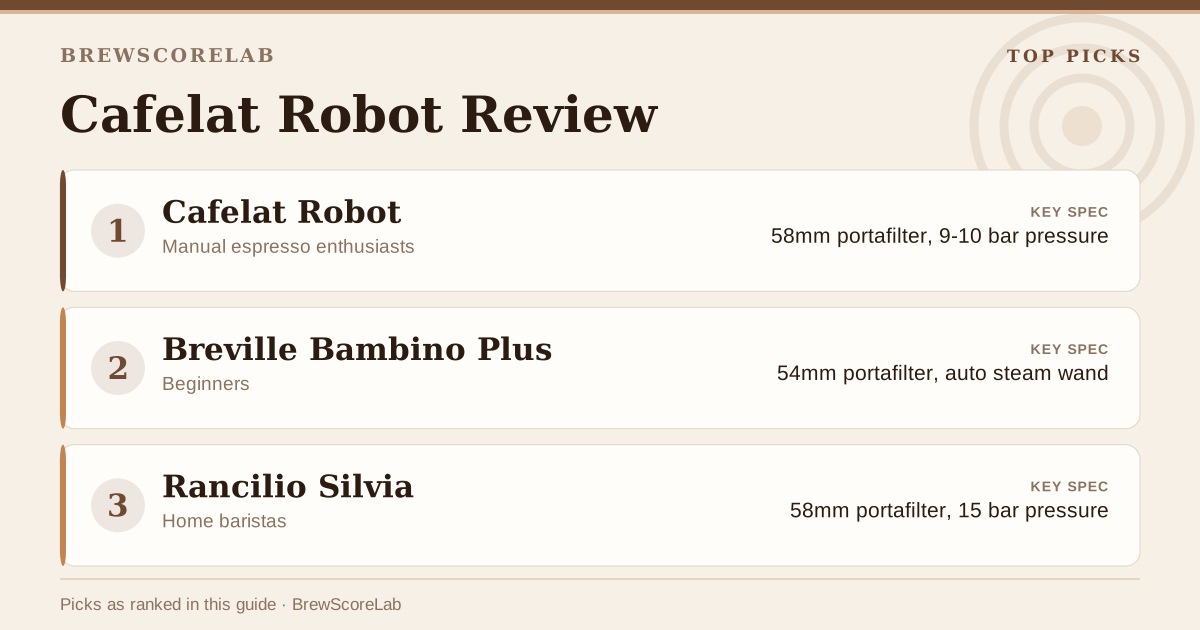
| Product | Best For | Key Spec | Price Tier |
|---|---|---|---|
| Cafelat Robot | Manual espresso enthusiasts | 58mm portafilter, 9-10 bar pressure | Budget |
| Breville Bambino Plus | Beginners | 54mm portafilter, auto steam wand | Mid-range |
| Rancilio Silvia | Home baristas | 58mm portafilter, 15 bar pressure | Premium |
| De’Longhi EC680M | Compact kitchens | 15 bar pump, thermoblock heating | Budget |
| Gaggia Classic Pro | Value and performance | 58mm portafilter, professional steam wand | Mid-range |
Detailed Reviews
1. Cafelat Robot
Overview:
This manual espresso maker puts you in complete control – which can be amazing or intimidating depending on your perspective. If you’re looking for more guidance on getting started, check out our Beginner Home Barista Starter Kit. The Robot’s build feels rock-solid and looks great on any counter, and there is no boiler, pump or circuit board anywhere in it — you boil the water yourself and the lever supplies the pressure. Worth knowing before you order: Cafelat handcrafts these in limited monthly batches and sells first-come, first-served, so stock comes and goes.
Key Specs (per Cafelat):
- Portafilter: Naked (bottomless) included, professional basket
- Materials: Stainless steel, aluminium and silicone rubber — no plastic in the brew path
- Weight: About 2.8 kg including the stainless tamper
- Size: Roughly 24cm diameter, 31cm tall (46cm with arms raised)
- Price Tier: Budget
Pros:
- Compact and portable
- Rock-solid stainless steel construction
- Incredible espresso once you dial it in
- Zero noise (seriously, silent operation)
Cons:
- Steep learning curve
- You’ll need a separate grinder
Best For: Coffee geeks who love the ritual and want ultimate control over their shots. If the Flair is also on your shortlist, we put the two levers head-to-head.
2. Breville Bambino Plus
Overview:
The Bambino Plus is basically espresso training wheels – and I mean that in the best way. It takes the guesswork out of milk steaming and heats up crazy fast.
Key Specs:
- Portafilter Size: 54mm
- Pressure: 15 bar
- Weight: 4.6 kg
- Price Tier: Mid-range
Pros:
- Heats up in 3 seconds (not kidding)
- Auto-steam wand makes perfect milk every time
- Tiny footprint
Cons:
- Smaller 54mm portafilter limits extraction potential
- Pretty basic – don’t expect much customization
Best For: Absolute beginners who want decent espresso without the headaches.
3. Rancilio Silvia
Overview:
The Silvia is the workhorse that’s been around forever for good reason. Built like a tank with commercial-grade guts, but honestly, the price has gotten pretty steep.
Key Specs:
- Portafilter Size: 58mm
- Pressure: 15 bar
- Weight: 8 kg
- Price Tier: Premium
Pros:
- Bulletproof stainless steel construction
- Professional-grade steam wand
- Big water reservoir
Cons:
- Slow to heat up
- At $700+, it’s pricey for what you get
Best For: Serious home baristas who don’t mind paying for durability, but I’d look at the Gaggia first.
4. De’Longhi EC680M
Overview:
A decent budget pick that looks way more expensive than it is. The EC680M won’t blow you away, but it gets the job done in tight spaces.
Key Specs:
- Portafilter Size: Standard
- Pressure: 15 bar pump
- Weight: 4.2 kg
- Price Tier: Budget
Pros:
- Actually stylish for the price
- Quick heating
- Decent milk steaming
Cons:
- Pressure consistency is hit-or-miss
- Tiny water tank gets annoying
Best For: Small kitchens on a budget – just manage your expectations.
5. Gaggia Classic Pro
Overview:
This one surprised me with how much machine you get for the money. The Classic Pro feels like it should cost more and delivers consistently good shots.
Key Specs:
- Portafilter Size: 58mm
- Pressure: 15 bar
- Weight: 7.2 kg
- Price Tier: Mid-range
Pros:
- Solid Italian build quality
- User-friendly controls
- Steam wand actually works well
Cons:
- No fancy features or programmability
- Learning curve isn’t trivial
Best For: Best bang for your buck if you want real espresso capability.
How We Evaluated
We compared these machines on what actually matters:
- Performance: Shot quality and consistency trump everything
- Noise: Nobody wants to wake the house at 6 AM
- Maintenance Cost: Ongoing expenses add up fast
- Room Size: Counter space is precious real estate
- Value: Performance per dollar spent
Buying Guide
Here’s what actually matters:
- Portafilter Size: 58mm is standard for good reason – better extraction
- Pressure: Don’t obsess over the number on the box. A “15 bar” machine is quoting its pump, not the puck — Gaggia, for instance, calibrates the OPV on its 15-bar pump down to 9 bar, which is where espresso actually lives
- Manual vs Auto: Decide how much control you want vs convenience
- Steam Wand: Essential for milk drinks, terrible on cheap machines
- Counter Space: Measure twice, buy once
FAQ
1. How does the Cafelat Robot differ from automatic machines?
The Robot makes you do everything manually – grind, dose, tamp, pull. Automatics handle most of this for you. More work, but also more control. Other manual levers work the same way, and the pressure-gauge Flair 58 Plus 2 shows what that workflow looks like with electronic preheating added.
2. Is the Cafelat Robot suitable for beginners?
Honestly? Only if you’re committed to learning. Expect frustrating shots for the first few weeks. To improve your technique, consider reading How To Dial In Espresso.
3. What type of coffee beans should I use?
Fresh is everything – within 2-4 weeks of roast date. Medium roasts are most forgiving while you learn.
4. Can I make other coffee drinks with these machines?
Any machine with a steam wand can do milk drinks. The Robot needs a separate milk frother.
5. How often should I clean my espresso machine?
Rinse daily, backflush weekly, descale monthly. Skip this and your coffee will taste like sadness.
The Robot wins if you want the best possible espresso and don’t mind the work. However, if you’re looking for a more budget-friendly option, you might want to explore Best Budget Espresso Machine. Everyone else should probably start with the Gaggia Classic Pro.